

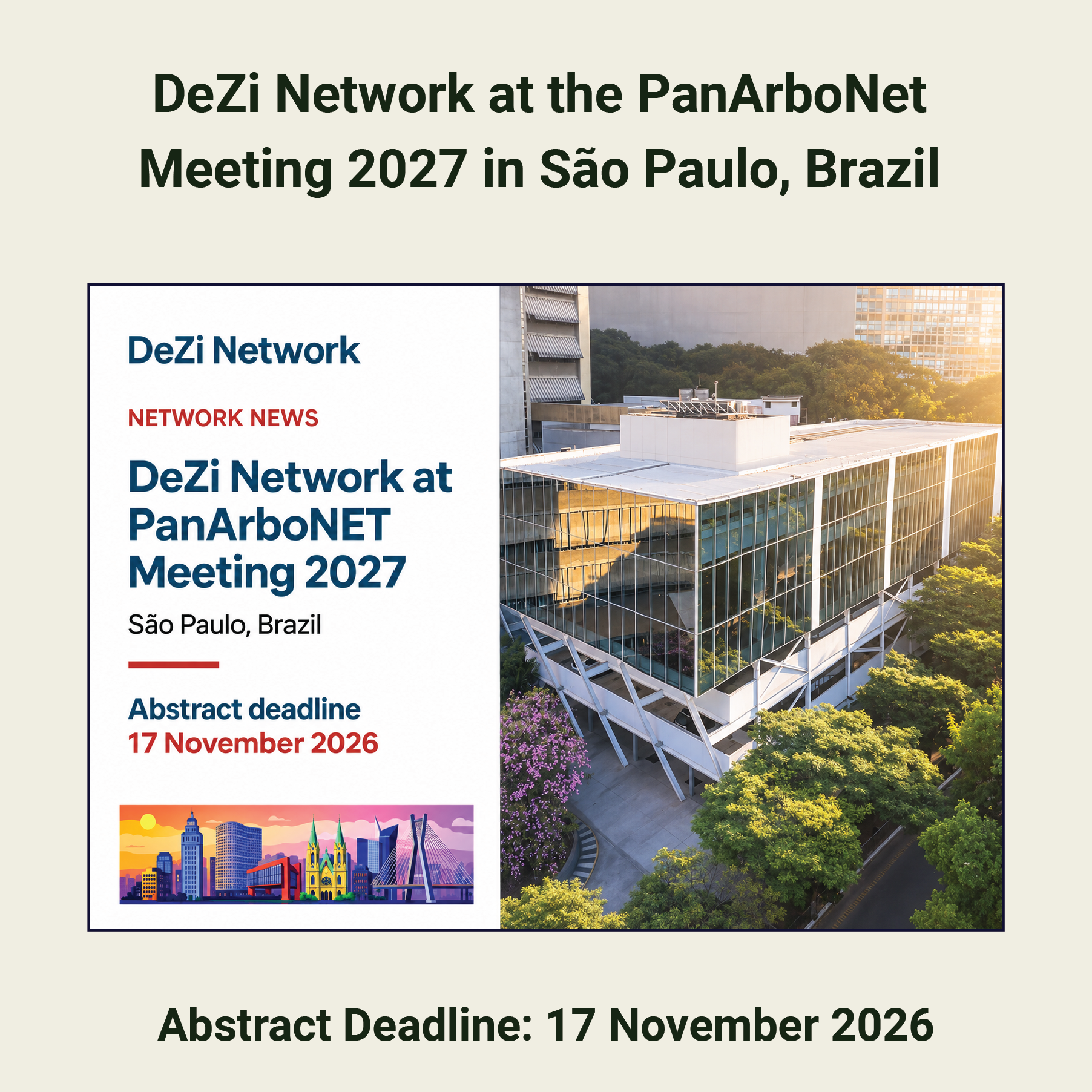
DeZi Network at the PanArboNet Meeting 2027
The DeZi Network team will be presenting at the Pan-American Arbovirus Research Network (PanArboNet / Pan-Dengue Net) Meeting 2027 at the Centro de Convenções Rebouças in São Paulo, Brazil (19–22 April 2027). Abstract submissions close on 17 November 2026.
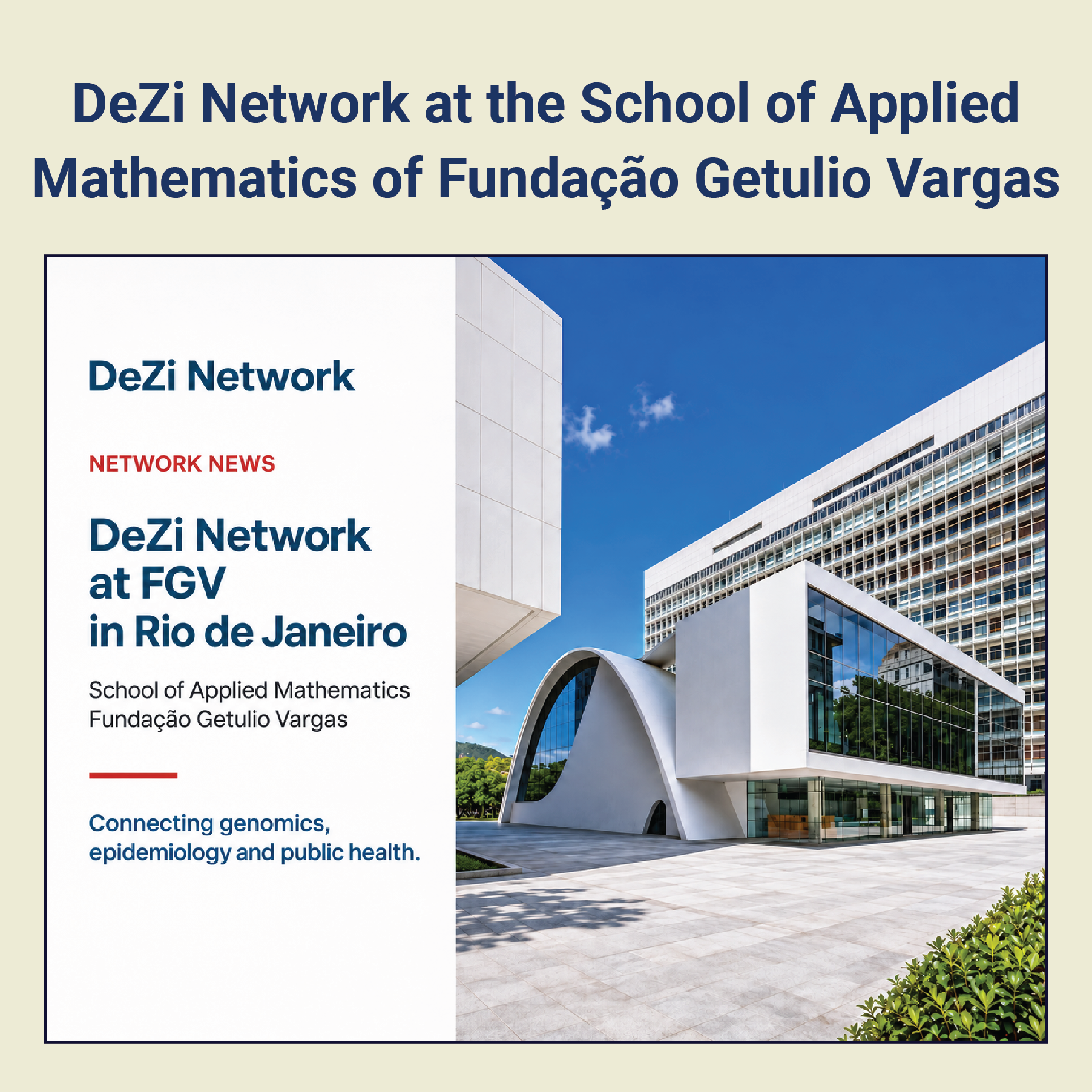
DeZi Network Keynote at FGV EMAp 15 Years: From reconstruction to intervention
On 10 November 2026, DeZi Network Lead PI Prof. Nuno R. Faria delivered a keynote lecture "From reconstruction to intervention: Quantitative methods for understanding and anticipating viral epidemics" presenting the DeZi Network at FGV EMAp’s 15th Anniversary conference in Rio de Janeiro.
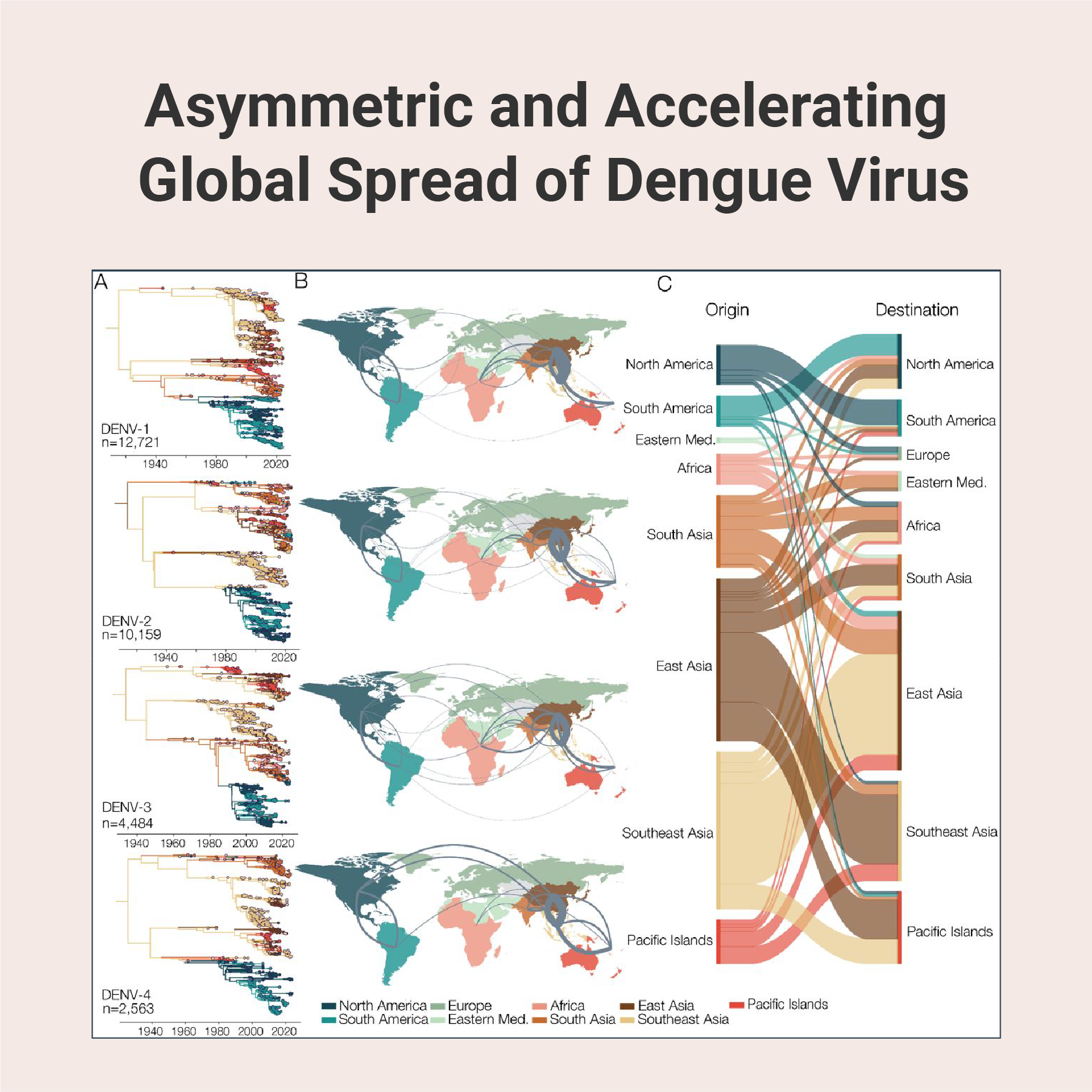
Symmetric and accelerating global spread of dengue virus
Phylogeographic analysis of global dengue virus genomes from the 1940s to the present reveals that modern urban DENV diversity originated in Asia and spreads asymmetrically into the Americas and Africa—entering primarily via North America and the Caribbean through northern-hemisphere seasonal synchrony and accelerating sharply post-2010 with rising global air travel.

Climate shapes dengue spread across Indonesia
Indonesia's dengue follows two climate clocks at once — global El Niño and local weather — and combining them could power a two-tier early-warning system

Hidden serotype patterns in primary dengue infections
Inapparent versus symptomatic primary dengue virus infections

Real‑time AI nowcasting for dengue in São Paulo
Fast and trustworthy nowcasting of dengue fever: A case study using attention-based probabilistic neural networks in São Paulo, Brazil

Tracking the arrival of DENV3 in Angola
Dengue had been quietly circulating in Angola for two years before it was spotted, traced by genomic analysis to a single 2022 import likely from the Americas

DENV3–OROV co-infection in Portugal
Europe's first reported dengue–Oropouche co-infection was caught not by targeted PCR but by broader genomic sequencing, in a case linked to recent travel from Cuba