

Publications
Featured
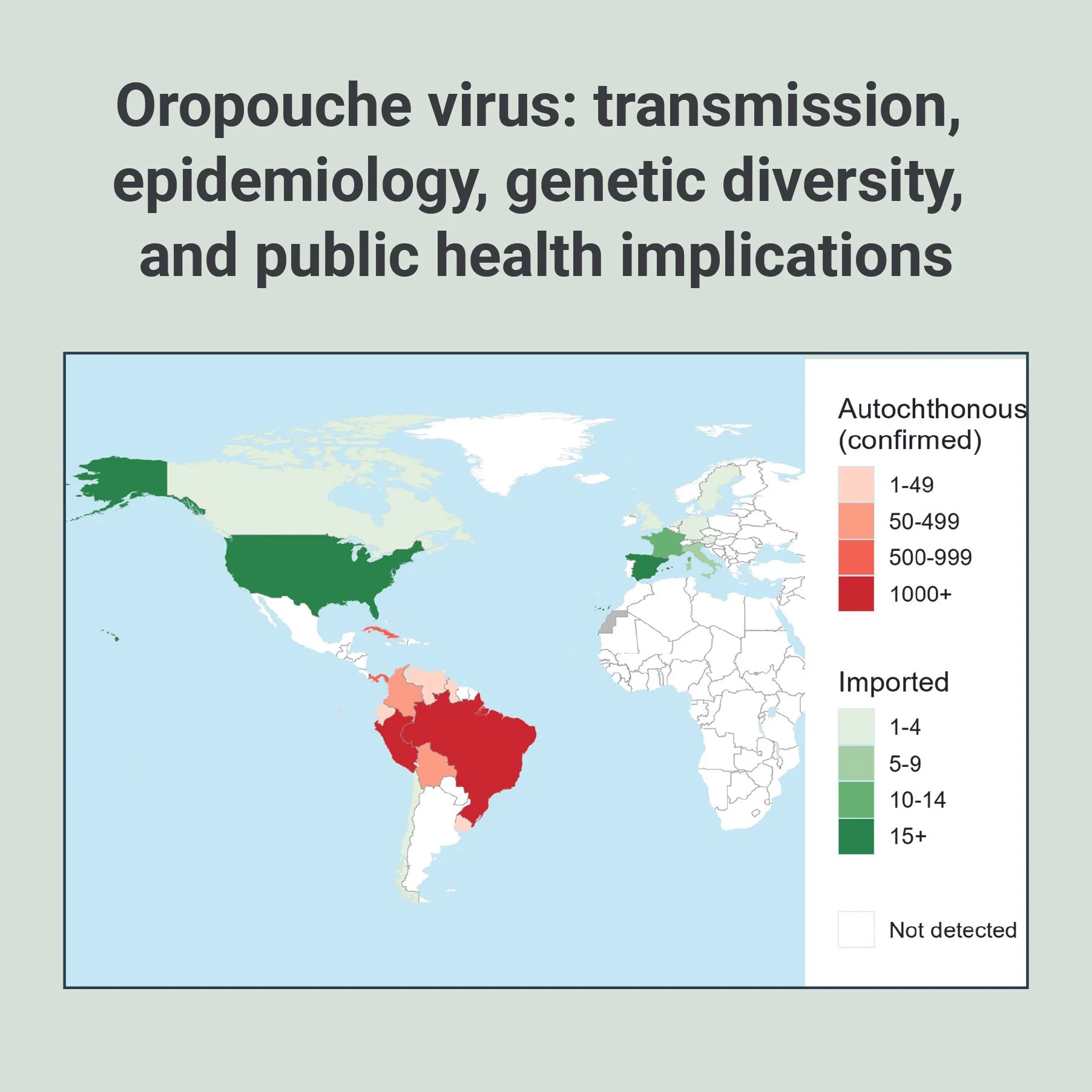


Review summarising critical knowledge gaps and outlining priorities for Oropouche virus epidemiology and research.
A single yellow fever introduction at São Paulo's forest edge wiped out the local howler monkey population in 46 days, with R₀ near 8.2
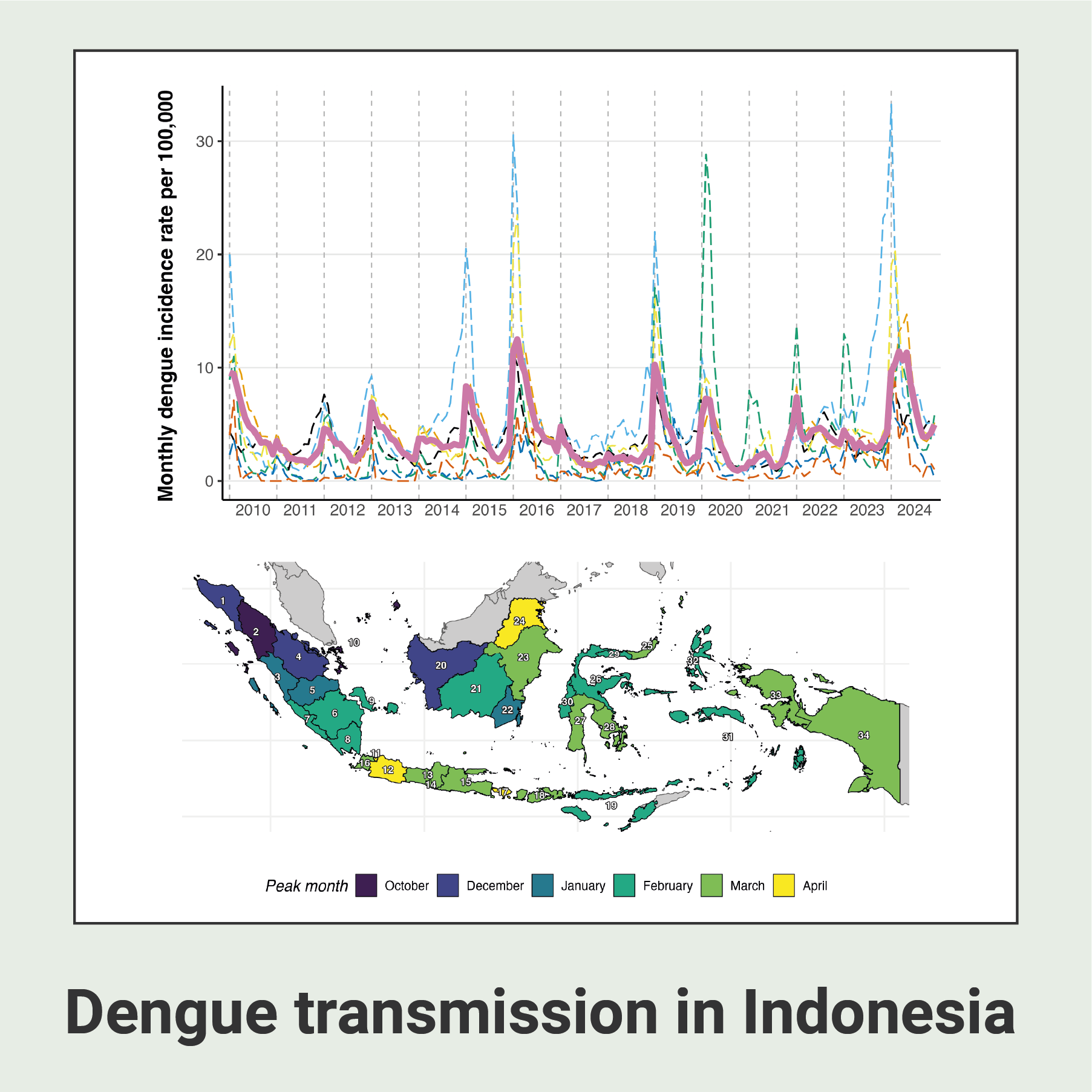
Indonesia's dengue follows two climate clocks at once — global El Niño and local weather — and combining them could power a two-tier early-warning system
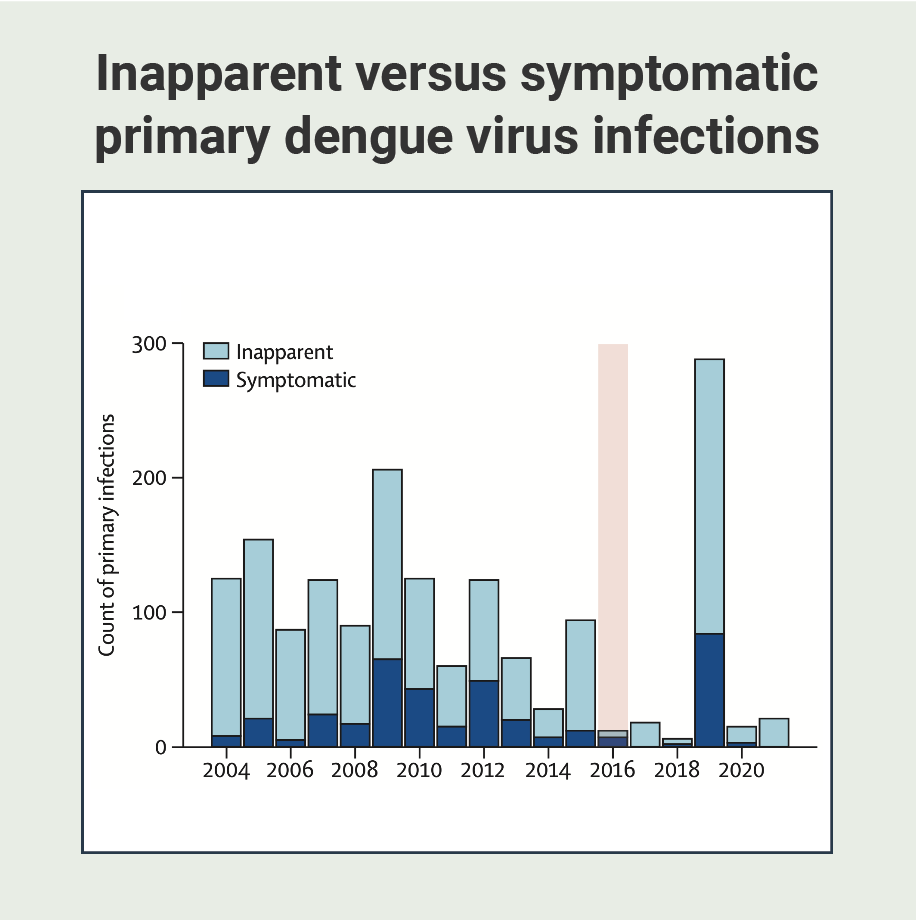
Inapparent versus symptomatic primary dengue virus infections
Once confined to the Amazon, Oropouche virus is now spreading across South American and Caribbean cities — and surveillance built for dengue and Zika is missing it
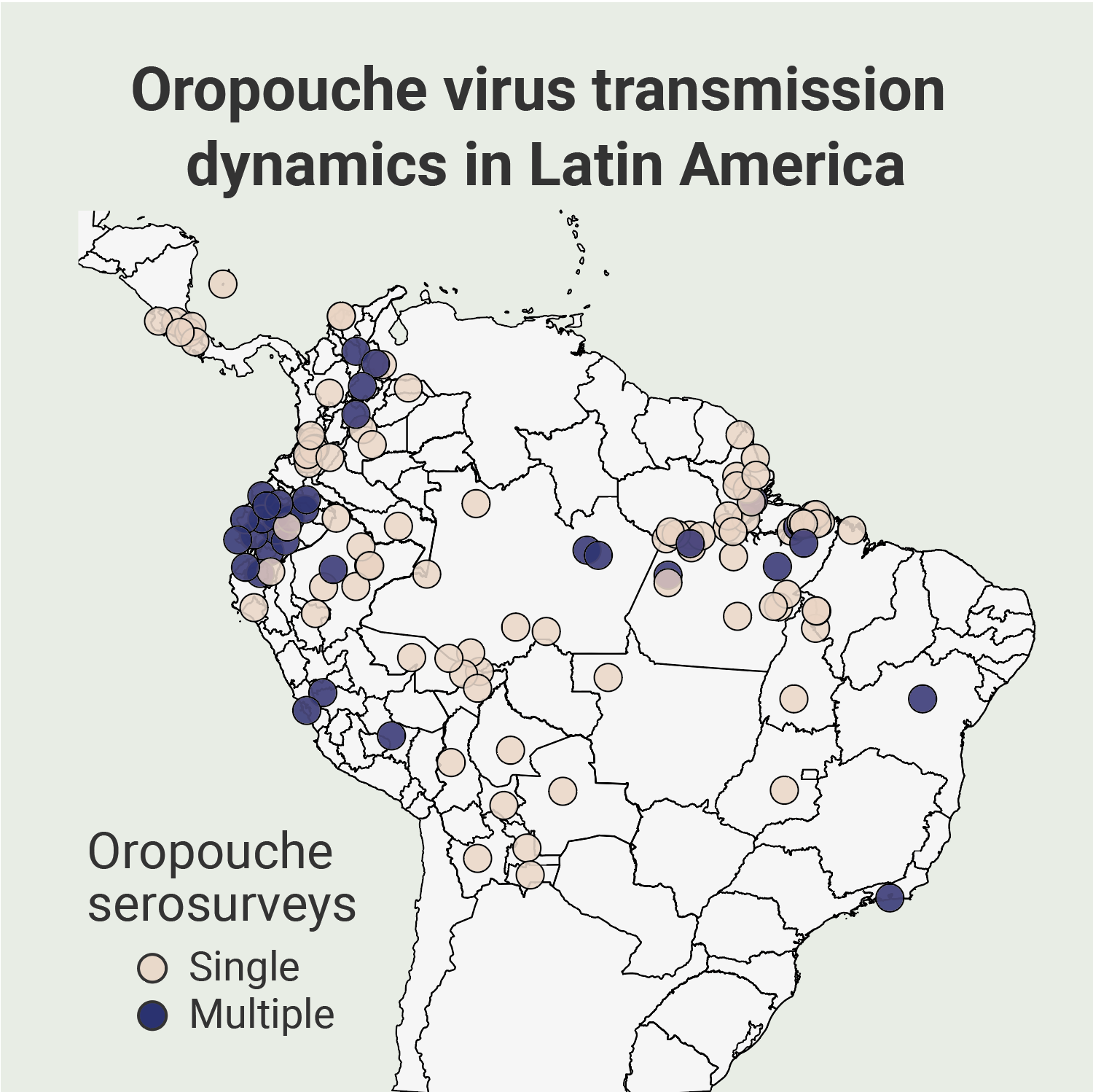
Ecological and demographic drivers of Oropouche virus transmission
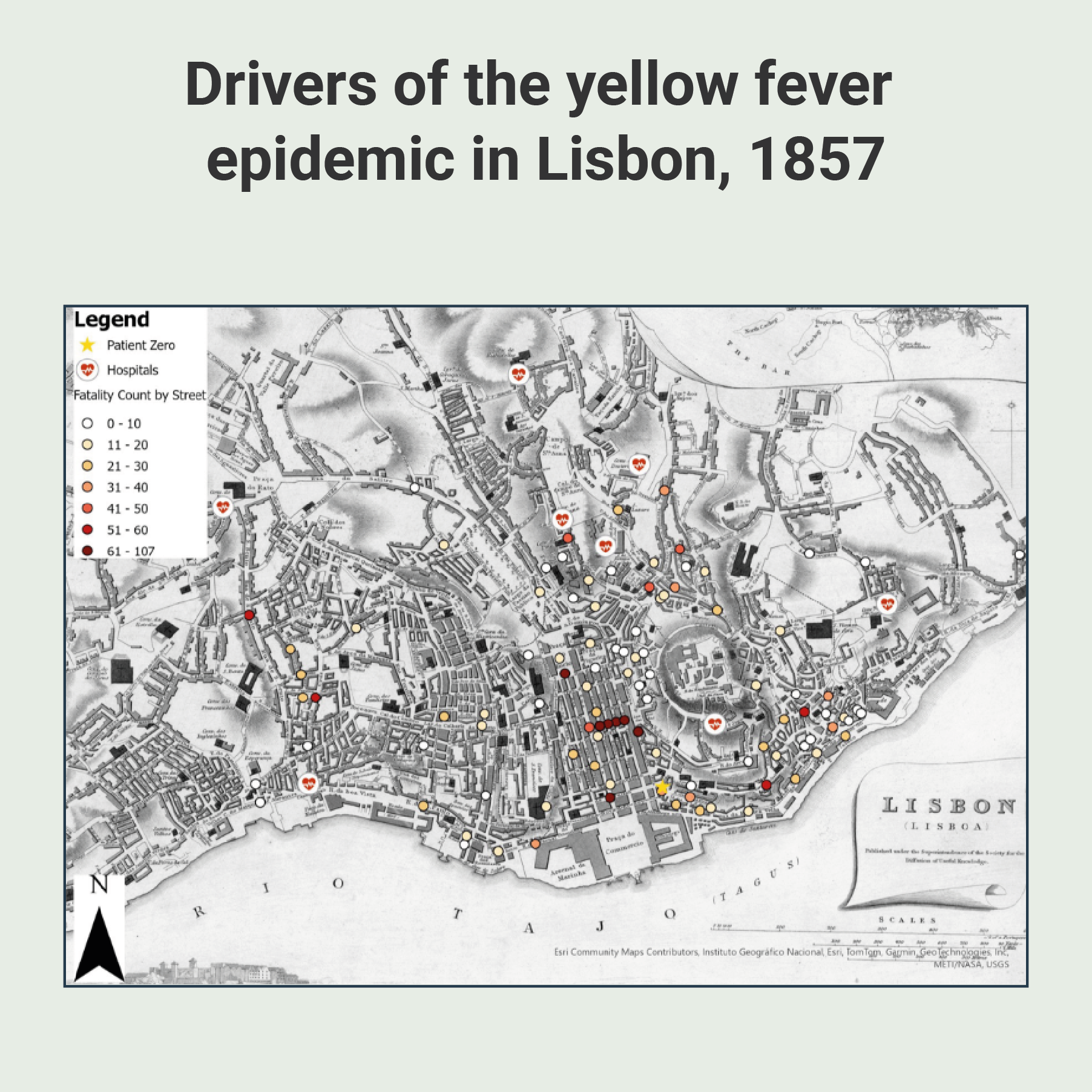
Spatial and social determinants of the 1857 yellow fever epidemic in Lisbon
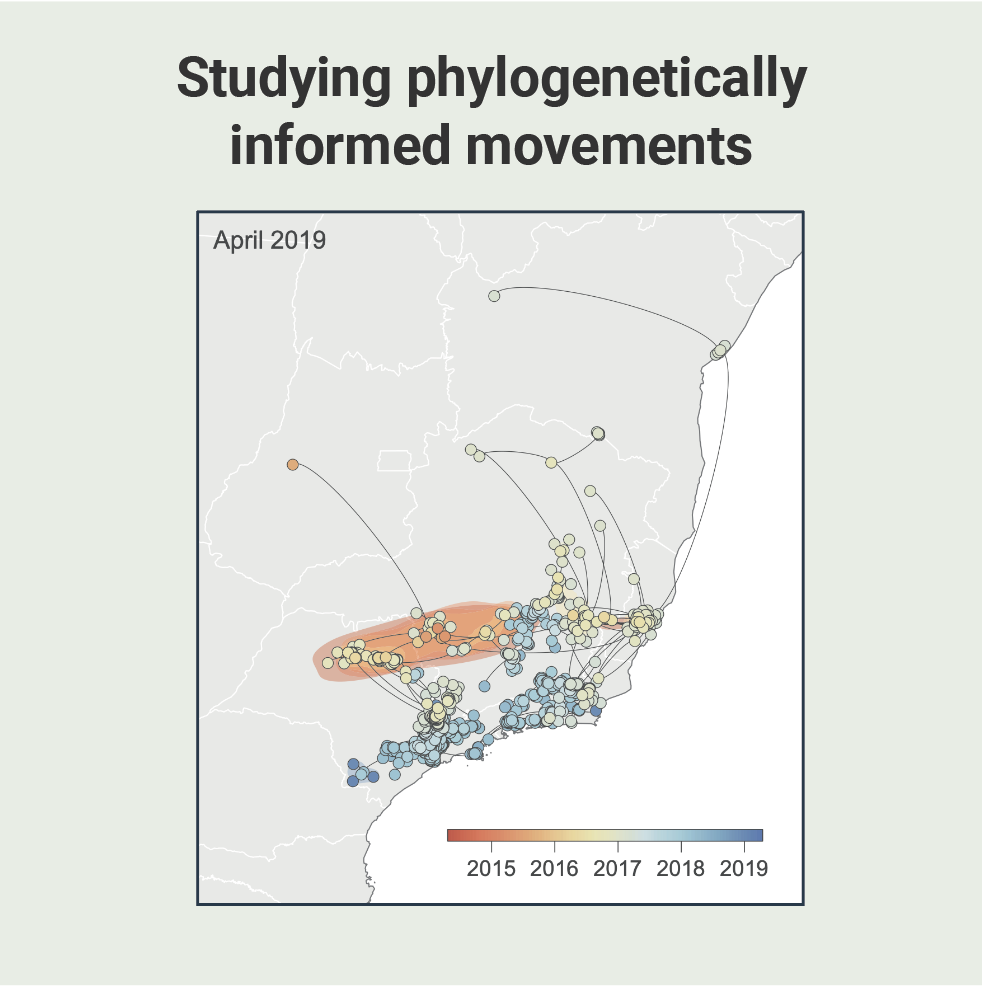
Studying phylogenetically informed movements with Seraphim 2.0
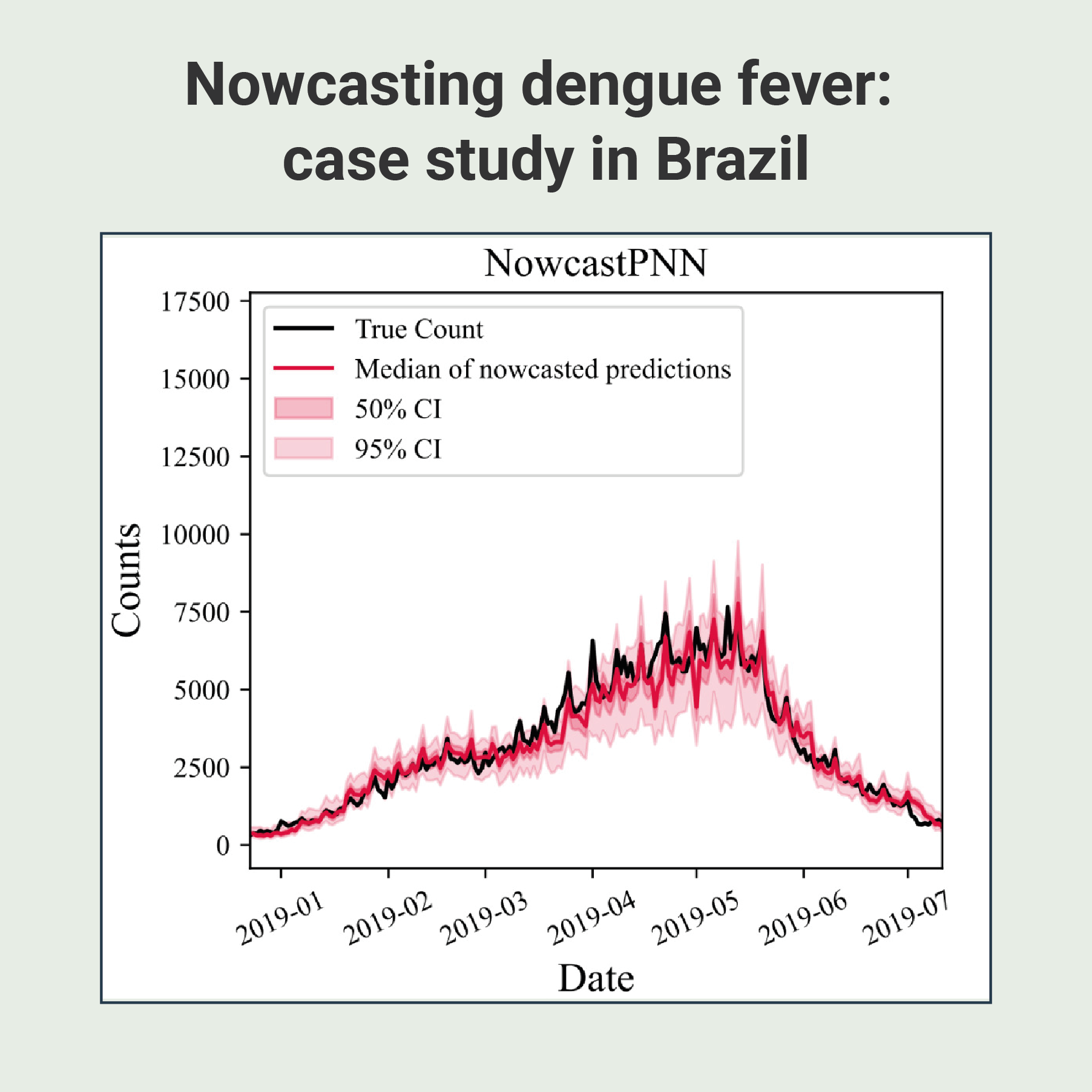
Fast and trustworthy nowcasting of dengue fever: A case study using attention-based probabilistic neural networks in São Paulo, Brazil
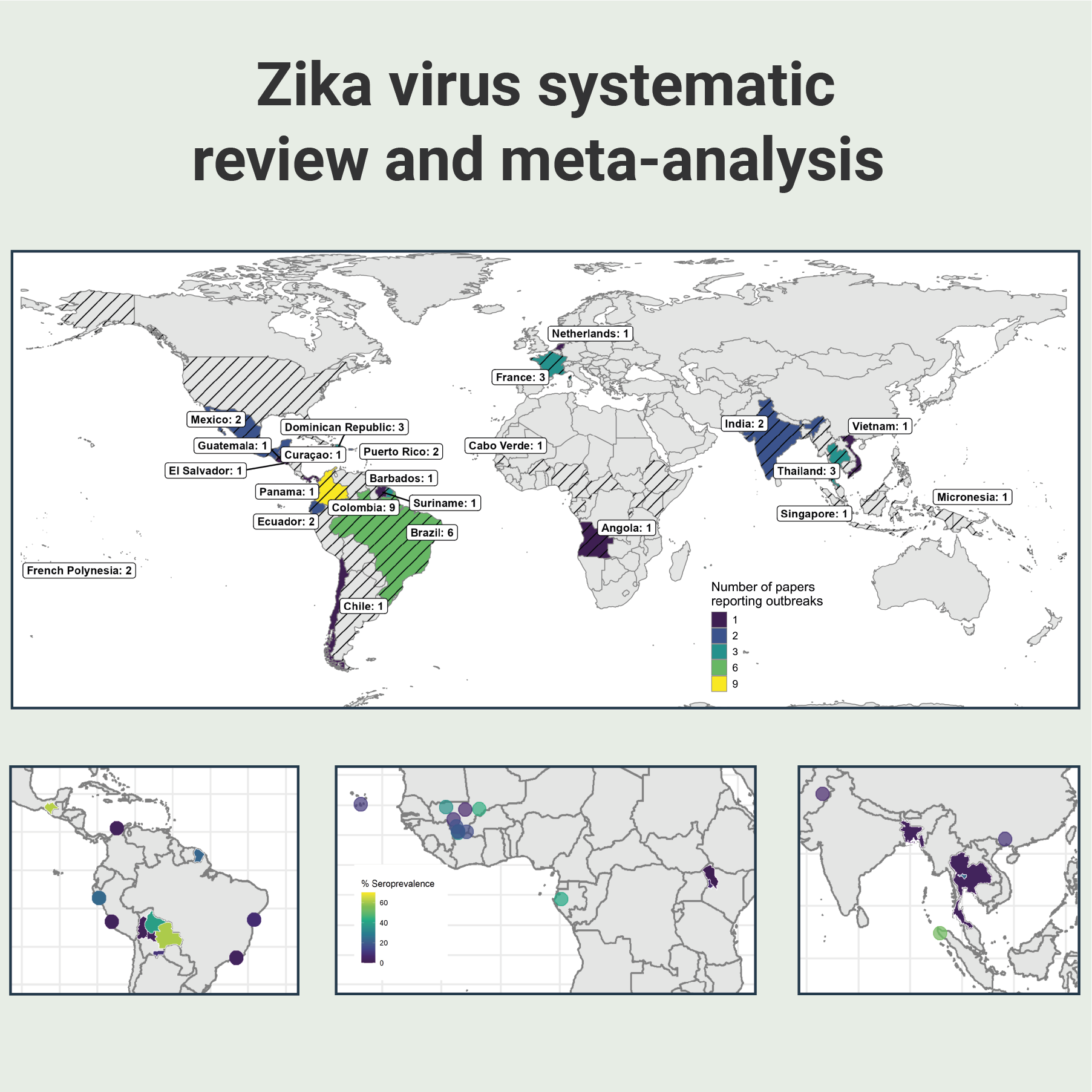
A decade after the emergency, the first systematic review of Zika epidemiology finds congenital syndromes in roughly 1 in 22 affected pregnancies and symptoms in just half of infections
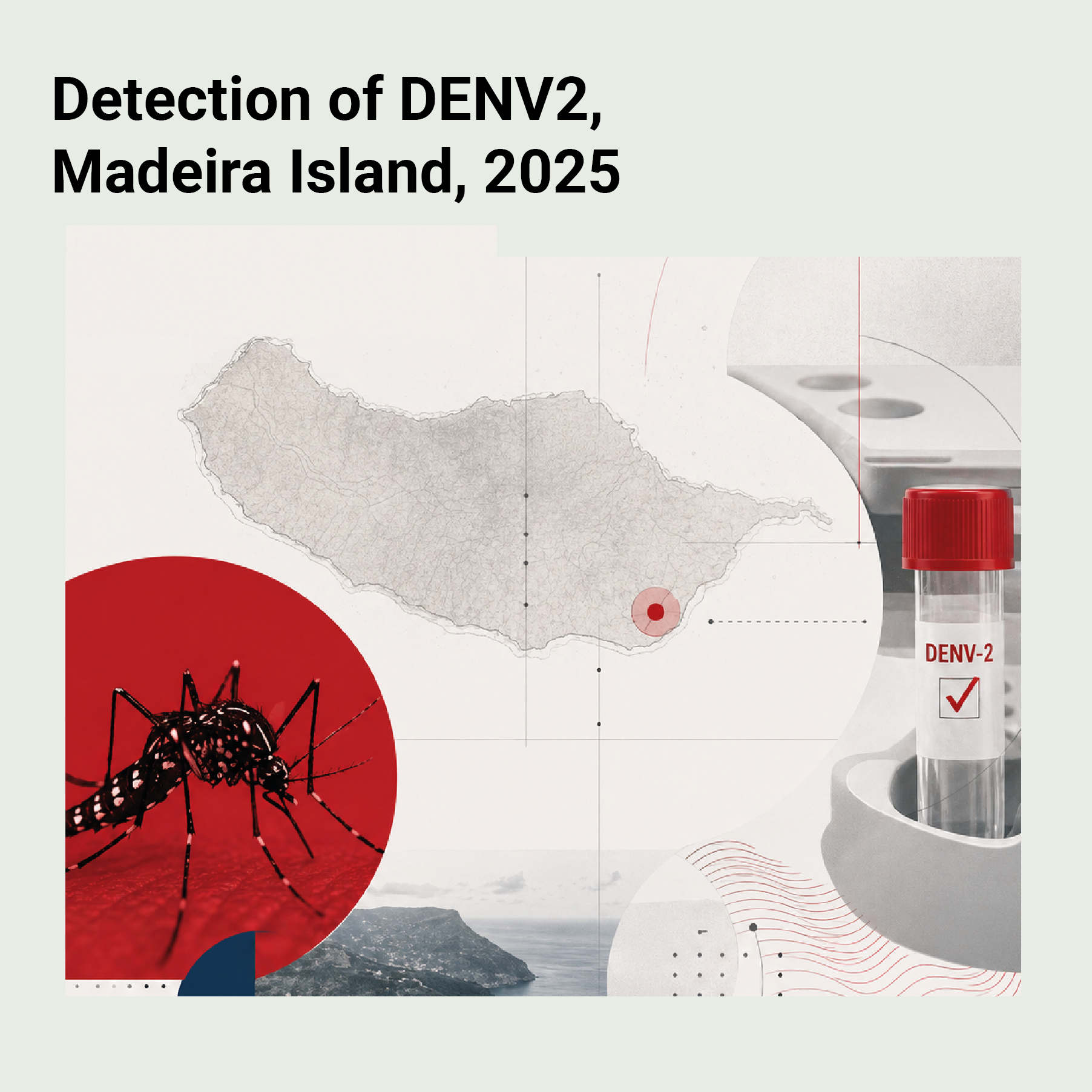
Dengue has returned to Madeira, with the same virus found in both mosquitoes and a local patient — during the off-season, when transmission should have been least likely
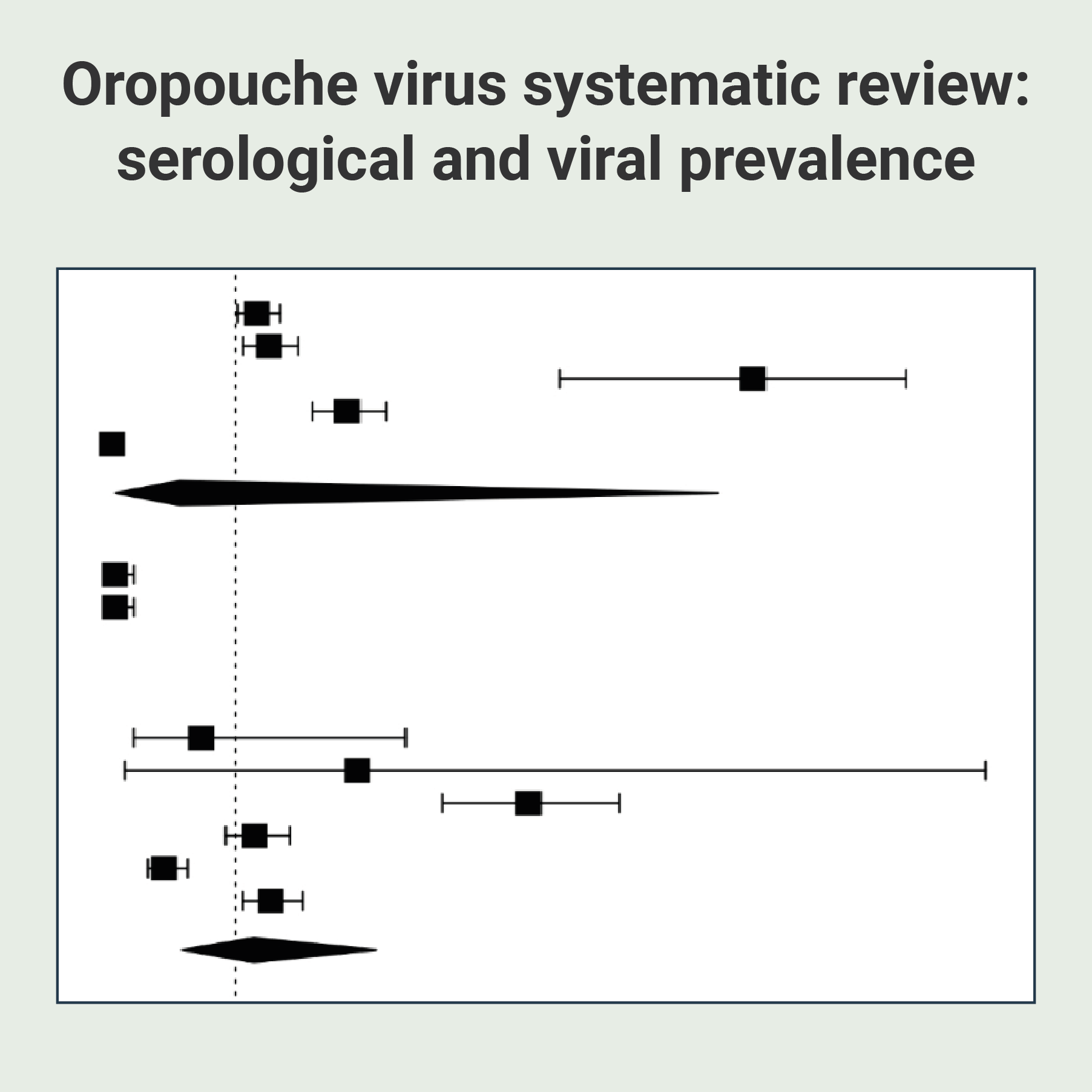
Serological and viral prevalence of Oropouche virus (OROV): A systematic review and meta-analysis from 2000–2024 including human, animal, and vector surveillance studies
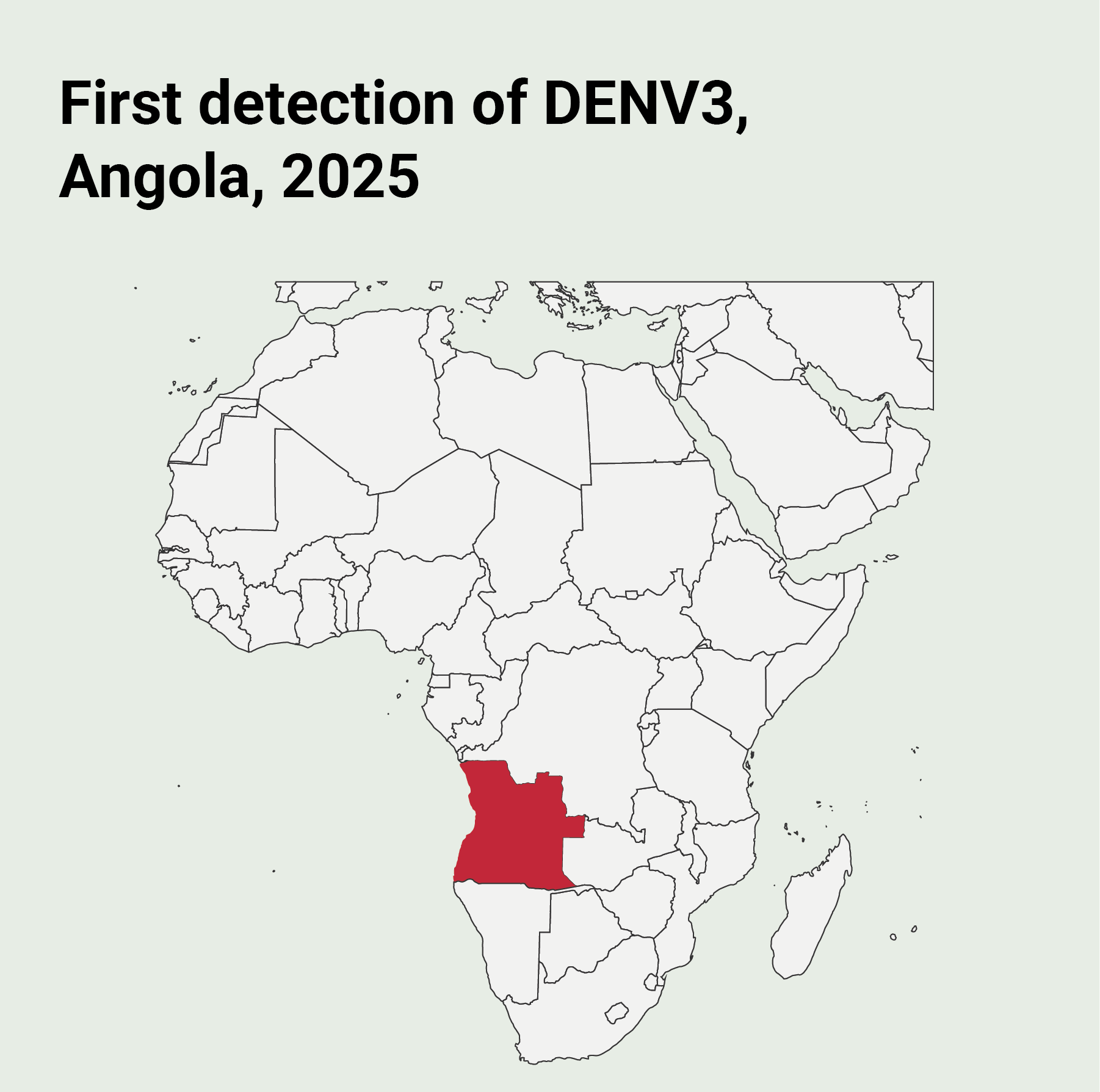
Dengue had been quietly circulating in Angola for two years before it was spotted, traced by genomic analysis to a single 2022 import likely from the Americas